Watercolor Potted Plants Clipart for Embroidery
As a professional embroidery designer and product reviewer, I approach every new set of Watercolor Potted Plants Clipart with a healthy dose of skepticism. The digital screen often lies; what looks like a lush, painterly illustration on a monitor can quickly turn into a dense, thread-breaking nightmare once it hits the hoop. However, when evaluating this specific collection of botanical illustrations for real-world application, my primary focus is not just aesthetic beauty, but stitchability. For fellow Etsy sellers, apparel decorators, and makers, the question isn't just "Is it pretty?" but "Will this actually sell as a finished handmade product?"
Translating Paint to Thread: First Impressions
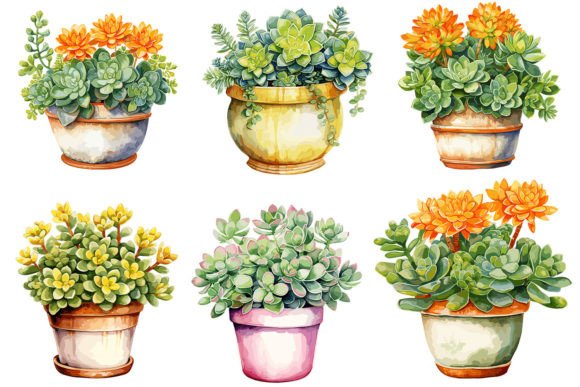
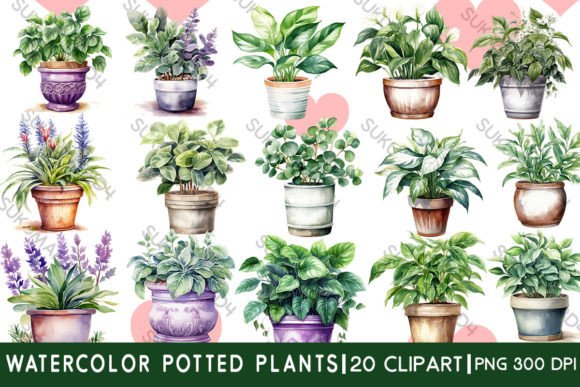
My initial assessment of these Watercolor Potted Plants Clipart files reveals a distinct mood that leans heavily toward modern cottagecore and organic minimalism. Unlike rigid vector art, these illustrations possess a softness that mimics traditional watercolor washes. From an embroidery digitizing perspective, this is both a blessing and a challenge. The visual personality here is gentle and nostalgic, making it an immediate candidate for personalized gifts and nursery decor rather than bold streetwear or corporate branding.
When I look at the layout and shape of these potted plants, I see natural negative space. This is crucial. In machine embroidery design, negative space is where the fabric breathes. If an illustration is too solid, you risk creating a bulletproof patch that distorts lightweight garments. These designs appear to respect the balance between ink (or in our case, thread) and empty space, suggesting they were created with an understanding of how layered media works. For a creative entrepreneur building a cohesive brand identity, this level of visual consistency across different plant varieties helps maintain professionalism in your shop listings.
The Tote Bag Test: A Real-World Application Scenario
To truly evaluate utility, I mentally placed these designs onto a canvas tote bag project I recently completed for a local garden center client. Canvas is a textured, unforgiving fabric that eats fine detail. When adapting Watercolor Potted Plants Clipart for this tote bag design, I had to consider how the watercolor edges would translate to satin stitch or fill stitch boundaries.
In practice, the softer edges of these illustrations allowed for a more forgiving digitizing process. Instead of requiring harsh, perfect outlines that might look jagged against the canvas weave, the design lent itself to blending techniques using variegated thread colors. The result was a custom apparel piece that felt high-end and boutique-ready rather than mass-produced. For small shop owners, this distinction matters. Customers are increasingly savvy; they can spot a generic stock design from a mile away. By utilizing the unique texture inherent in these illustrations, the finished embroidered patch or direct-to-garment stitch-out retained the artistic integrity of the original artwork, thereby increasing perceived value and customer trust.
Where Caution is Required: Fabric and Hoop Limitations
While versatile, Watercolor Potted Plants Clipart requires strategic placement. During my review, I identified several scenarios where extra care is mandatory:
- Stretchy Knits and Sweatshirt Embroidery: The fluid nature of watercolor art often implies complex color gradients. On stretchy fabrics like French terry or jersey, high stitch density combined with multiple color changes can cause puckering. You must use appropriate stabilizer, potentially a cut-away mesh, to support the weight of the design without compromising the garment's drape.
- Small Hoop Sizes and Tiny Details: Watercolor effects rely on blending. If you attempt to shrink these designs down for a baby embroidery project or a cap logo, the subtle color transitions may become muddy blocks of thread. Always check the minimum recommended size before purchasing a digital embroidery file.
- Dark Fabrics: These illustrations likely assume a light background to achieve their translucent watercolor effect. Stitching them directly onto black or navy fabric without a white underlay base will result in lost contrast and diminished visual appeal. Plan for additional stitch count if working on dark backgrounds.
- Frequent Washing: For items like kitchen towels or baby clothes, ensure the digitized version uses secure locking stitches. Watercolor-style fills can sometimes be less dense than traditional solid fills, making them vulnerable to snagging in the wash if not properly secured during the digitizing conversion.
Commercial Viability for Makers and Sellers
For those running a craft business or managing an Etsy store, the commercial viability of these assets extends beyond the physical stitch-out. High-quality illustrations serve double duty as printable mockups and digital product previews. Before I even threaded my machine, I used these Watercolor Potted Plants Clipart images to create listing photos for potential custom orders. The ability to show a client exactly what their personalized gift could look like—before committing to production time—is invaluable for buyer engagement.
Furthermore, the theme of potted plants is evergreen. It fits seamlessly into holiday embroidery collections, spring refresh campaigns, and housewarming gift categories. Unlike trendy pop-culture references that expire quickly, botanical illustrations offer long-term ROI for your design asset library. Whether you are selling the finished embroidered product or licensing the digital art for print-on-demand partners, the broad appeal ensures consistent relevance.
Essential Designer Notes Before You Stitch
Before adding this collection to your workflow, please adhere to these practical guidelines to ensure success:
- Verify Licensing Terms: Never assume usage rights. Confirm whether the license covers commercial embroidery, digital resale, or only personal use. Protecting your business starts with respecting intellectual property.
- Test on Scrap Fabric First: Do not risk a premium sweatshirt or linen apron on the first run. Test the embroidery file on a similar fabric scrap to evaluate tension, registration, and color blending.
- Check Thread Color Contrast: Watercolor art depends on nuance. Review your thread palette against the digital file. You may need to adjust saturation or swap standard colors for matte or rayon threads to better mimic the painted effect.
- Evaluate Stitch Density: If you are digitizing this yourself or hiring a digitizer, request a test sew-out specifically to check for fabric push-and-pull. The organic shapes of plants can distort easily if compensation isn't applied correctly.
- Mockup in Black and White: Strip the color away in your editing software. If the design loses its definition and readability in grayscale, it lacks sufficient contrast for embroidery. Good design relies on value, not just hue.
Ultimately, Watercolor Potted Plants Clipart represents a beautiful intersection of digital art and tactile craft. When treated with technical respect and applied to the right projects, it elevates simple goods into cherished keepsakes. As makers, our job is to bridge the gap between pixel and thread, ensuring that the final product honors the original artistic vision while standing up to the rigors of daily life. Take the time to understand the medium, test your assumptions, and let the organic beauty of these botanicals enhance your next embroidery project with confidence and professionalism.