Vintage Chocolate Watercolor Clipart for Embroidery
First Impressions: Translating Paint to Thread
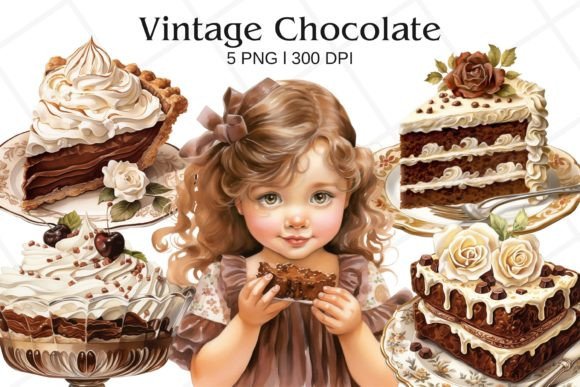
When I first opened the Vintage Chocolate Watercolor Clipart file, my immediate reaction was one of cautious optimism. As an experienced embroidery digitizer and product reviewer, I have seen countless beautiful illustrations that fail miserably when converted into stitches. Watercolor, by its very nature, is fluid, transparent, and unpredictable—three things that machine embroidery inherently resists. However, this specific collection of Illustrations possesses a distinct visual weight and color separation that suggests it can survive the translation from screen to fabric.
The mood is undeniably nostalgic. The rich cocoa tones, sepia washes, and soft edges evoke a sense of heritage and warmth. For a designer, this palette is a goldmine because brown-based threads tend to hide minor tension issues better than stark whites or neons. Visually, the clipart feels organic rather than rigid. The shapes are defined enough to serve as clear guides for digitizing, yet soft enough to allow for artistic interpretation in stitch placement. It does not look like a cartoon; it looks like a curated piece of art intended for high-end handmade products.
Real-World Application: The Custom Tote Bag Test
To truly evaluate this asset, I approached it with a specific project in mind: a premium canvas tote bag for a boutique coffee roaster. This scenario tests both aesthetic appeal and structural integrity. A tote bag design needs to be legible from a distance but detailed enough to justify a higher price point.
In this context, the Vintage Chocolate Watercolor Clipart shines as a central motif. When planning the embroidery project, I visualized using a combination of fill stitches for the broader shaded areas and satin stitch borders to define the vintage elements. The chocolate hues provide excellent contrast against natural unbleached canvas or cream linen. For a craft business or Etsy seller, this specific application adds perceived value. Customers associate watercolor aesthetics with artisanal care. Stitching this design onto a tote transforms a generic accessory into a personalized gift or branded merchandise that feels intentional and expensive.
I also considered how this would translate to sweatshirt embroidery. On fleece or French terry, the textured fabric can sometimes swallow fine details. Because this clipart relies on tonal variation rather than microscopic line work, it is forgiving on napped fabrics. The "chocolate" theme naturally lends itself to autumn collections, holiday gifts, or cozy nursery decor, making it a versatile asset for seasonal inventory planning.
Navigating Fabric Limitations and Hoop Constraints
While the aesthetic potential is high, practical execution requires discipline. Not every surface is suitable for this style of digital embroidery file. Here is where you must exercise caution:
- Stretchy Fabrics: If applying this to a lightweight jersey knit baby onesie, the stitch density required to replicate the watercolor effect may cause puckering. You must use a heavy-duty cut-away stabilizer and potentially a topping to prevent stitches from sinking into the knit.
- Dark Backgrounds: Watercolor relies on light passing through layers. On black or navy fabric, the Vintage Chocolate Watercolor Clipart will lose its luminosity unless you lay down a white underlay base. Without this foundation, the rich browns will disappear into the dark cloth.
- Small Hoop Sizes: Resist the urge to shrink this design below 4x4 inches. The subtle gradients that give it character require space. Compressing the design forces the machine to stack stitches too densely, resulting in a stiff, bulletproof patch that lacks the intended softness.
- Curved Surfaces: For cap or hat embroidery, only use isolated elements of the clipart. The full composition is likely too complex for the limited flat stitching area of a curved brim or crown.
Commercial Viability and Brand Consistency
For creative entrepreneurs and small shop owners, consistency is key to building buyer trust. Using cohesive design assets across different products creates a recognizable brand identity. The Vintage Chocolate Watercolor Clipart offers a unified color story that can tie together disparate items like aprons, tea towels, and embroidered patches.
From a commercial embroidery standpoint, this style signals professionalism. It avoids the clip-art look that plagues many entry-level shops. When creating printable mockups for digital listings, ensure your rendering accurately reflects the matte texture of thread rather than the sheen of digital paint. Misrepresenting the finish leads to returns. Conversely, accurate representation of this warm, vintage aesthetic can significantly boost engagement on social media platforms where users crave authentic, tactile visuals.
If you are selling finished goods, consider how this design pairs with typography. The organic flow of the watercolor illustration balances beautifully with structured serif fonts or minimalist sans-serif text. This versatility makes it ideal for wedding gifts, anniversary keepsakes, or boutique branding where elegance is paramount.
Critical Designer Notes Before You Stitch
Before you load this machine embroidery design into your production queue, run through this practical checklist. These steps separate hobbyist results from professional outcomes:
- Verify Licensing: Always confirm whether your purchase includes commercial rights for finished products versus digital redistribution. Never assume; check the specific terms attached to the Illustrations file.
- Test on Scrap Fabric First: Do not risk a $30 sweatshirt on an untested file. Stitch out the design on a scrap of the exact fabric and stabilizer combination you intend to use. Check for registration errors between color blocks.
- Audit Thread Colors: Screen colors are RGB; thread is physical pigment. Pull actual thread spools and lay them against the printed clipart. You may need to blend two shades of brown rayon or polyester to achieve the gradient shown in the digital art.
- Check Stitch Density: Open the file in your editing software. Ensure there are no areas exceeding safe density limits for your target fabric. If the watercolor shading is achieved through excessive layering, manually reduce density or change the stitch type to a tatami fill with longer stitch lengths.
- Mockup in Black and White: View the design without color to assess value contrast. If the image turns into a muddy gray blob, the embroidery will lack definition regardless of thread quality.
- Wash Test: Watercolor styles often use running stitches or loose fills for texture. Wash your test swatch aggressively. If threads pull out or fray, the design needs denser locking stitches at the perimeter.
Final Verdict on Usability
The Vintage Chocolate Watercolor Clipart is a sophisticated asset for makers who understand the interplay between digital art and textile mechanics. It is not a "set it and forget it" file; it demands thoughtful digitizing and material selection. However, for those willing to put in the testing phase, the payoff is a distinctive, high-value aesthetic that stands out in a saturated market.
Whether you are crafting a personalized gift for a loved one or scaling a line of custom apparel for your Etsy shop, this design brings a level of artistic maturity that elevates the perceived worth of your work. Just remember: treat the watercolor effect as a guide for texture, not a mandate for pixel-perfect replication. Let the thread do what it does best, and use this beautiful illustration as the inspiration for something tangible, lasting, and uniquely handmade.