Summer Peach Watercolor Clipart for Embroidery
As a professional embroidery designer who spends countless hours digitizing and testing artwork before it ever touches a needle, I approach new digital assets with a healthy dose of skepticism. When I first opened the Summer Peach Watercolor Clipart file, I wasn't just looking at a pretty picture; I was mentally mapping stitch paths. For those of us running a craft business or managing an Etsy shop, the gap between a beautiful screen image and a viable machine embroidery design is where profit margins live or die. This review evaluates this specific illustration set through the lens of real-world production, focusing on how these watercolor aesthetics translate into thread, texture, and finished product value.
Translating Soft Washes to Stitch Density
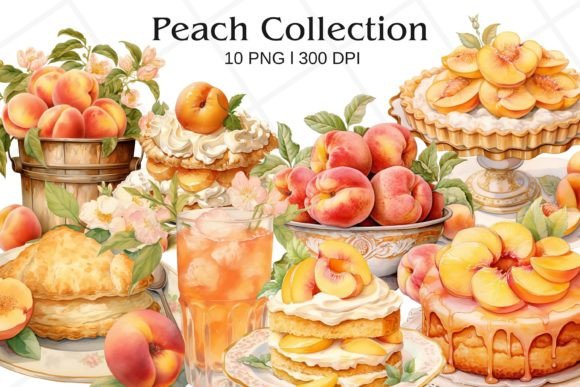
The immediate appeal of this Summer Peach Watercolor Clipart lies in its organic edges and soft color gradients. Visually, it evokes nostalgia and warmth, making it ideal for personalized gifts and boutique merchandise. However, watercolor is notoriously difficult to replicate in embroidery because thread does not blend like pigment. In my assessment, this artwork succeeds because the shapes are distinct enough to support defined stitch regions without losing that dreamy, hand-painted vibe.
When digitizing or selecting a pre-digitized version of this art, pay close attention to how the gradient areas are handled. A successful translation requires variable stitch density. If the embroidery file uses a uniform fill stitch throughout, you will lose the watercolor effect entirely, resulting in a flat, cartoonish peach rather than a lush fruit illustration. Look for designs that utilize randomized fill stitches or blending techniques to mimic the paper texture. For custom apparel, specifically lightweight summer tees or linen blouses, excessive density is the enemy. This clipart’s layout suggests open spaces that allow the fabric to breathe, which is crucial for preventing puckering on delicate materials.
Real-World Application: The Linen Tote Bag Test
To truly judge the commercial viability of this asset, I envisioned a specific project: a natural linen tote bag intended for a summer wedding favor line. Linen has a pronounced weave and texture, which can sometimes swallow fine details in an embroidery project. I evaluated the Summer Peach Watercolor Clipart specifically for this substrate.
For a tote bag design, scale is everything. These illustrations have enough visual weight to hold their own against the textured background of canvas or linen. If you are creating handmade products for sale, consider pairing the peach motif with simple, elegant typography using a running stitch or a light satin column. The contrast between the complex, shaded fruit and minimalist text creates a high-end look that justifies a higher price point. During my mental walkthrough of this project, I noted that the peach shape works exceptionally well as an applique design. Using a piece of printed cotton or a tonal orange fabric for the base, secured with a narrow satin border, could reduce stitch count significantly while enhancing the watercolor aesthetic. This hybrid approach is often more durable for items that face heavy use, like market bags or aprons.
Navigating Fabric Limitations and Stabilizer Choices
While the artwork is versatile, it demands respect regarding material selection. As an experienced reviewer, I must caution against using highly detailed versions of this clipart on stretchy knits without significant modification. If you are planning sweatshirt embroidery or baby onesies, the watercolor shading often implies higher stitch counts to achieve color depth. On a ribbed knit or jersey, this density can cause tunneling or distortion.
For baby embroidery projects using this peach theme, I recommend simplifying the design. Remove the deepest shadow layers and focus on the mid-tones and highlights. Always pair this with a robust cut-away stabilizer and potentially a water-soluble topping to prevent the stitches from sinking into the pile of terry cloth or fleece. Conversely, if you are working on dark fabrics for holiday embroidery or autumn transitions, remember that watercolor relies on white space for luminosity. You cannot simply stitch this onto black denim and expect the same result. You would need to create a white underlay base first, effectively turning the design into a patch-like element, or choose a lighter garment color to preserve the integrity of the original Illustrations.
Commercial Viability for Sellers and Makers
For the Etsy seller or small shop owner, time is money. The Summer Peach Watercolor Clipart offers excellent versatility across multiple niches. Beyond apparel, consider kitchen textiles. Tea towels and napkins are high-turnover items where this aesthetic shines. The organic shape fits naturally in corners or as a repeating border pattern. Because peaches are seasonal but also classic, they bridge the gap between trendy summer goods and timeless cottage-core decor.
However, professionalism hinges on execution. Before listing any finished product, you must verify the licensing of your source files. Ensure you have the right to use the artwork for commercial embroidery. Furthermore, when creating printable mockups or digital product previews for your listings, do not rely solely on software rendering. Stitch out a sample. Customers trust sellers who show actual thread texture. A photo of the embroidered peach on a real pillow cover communicates quality far better than a digital overlay. This transparency builds buyer engagement and reduces returns due to unmet expectations regarding detail level.
Critical Pre-Production Checklist
Before you commit this design to a final run of commercial embroidery or a cherished gift, adhere to these practical designer notes:
- Test on Scrap Fabric First: Never assume the digitizer optimized for your specific material. Run a test on the exact fabric and stabilizer combination you intend to use for the final embroidered patch or garment.
- Audit Thread Colors: Watercolor effects often require many thread changes. Check if your machine can handle the color count efficiently. Sometimes, consolidating similar shades can save time without sacrificing visual impact.
- Check Small Details: Inspect the smallest elements of the peach leaf or stem. If they are thinner than 1mm, they may not stitch cleanly on textured fabrics. Consider widening these areas in your editing software.
- Verify Hoop Size Compatibility: Ensure the design fits your hoop with adequate margin for the presser foot. Re-hooping large designs increases the risk of misalignment, which ruins the seamless watercolor illusion.
- Contrast Testing: View the design in black and white within your software. If the peach disappears against the background in grayscale, it lacks sufficient contrast definition for embroidery.
- Licensing Confirmation: Double-check whether the license covers physical products, digital files, or both. Protect your business by understanding the terms before selling.
Final Thoughts on Design Integrity
The Summer Peach Watercolor Clipart represents a beautiful intersection of digital art and textile craft, but it requires a thoughtful operator. It is not a "set it and forget it" asset; it is a foundation for creativity that rewards preparation. Whether you are stitching a custom bridal party gift or stocking your online store with seasonal tea towels, success comes from respecting the limitations of thread while celebrating the beauty of the source art. By adjusting density, choosing appropriate substrates, and validating your process through testing, you transform a simple digital illustration into a tangible, high-value handmade product that resonates with customers and stands up to scrutiny. Treat this clipart as a collaboration between the artist and your machine, and your results will be as sweet as the subject matter itself.