Victorian Rose Essence Watercolor: An Embroidery Review
As a professional embroidery designer and product reviewer, I approach every new digital asset with a critical eye. When evaluating Victorian Rose Essence Watercolor, my first thought isn't just about how pretty the illustration looks on a screen, but how it will translate through a needle and thread. This design falls under the Illustrations category, which often presents unique challenges for digitizers and stitchers alike. Watercolor aesthetics rely on soft transitions and organic edges, qualities that can be difficult to replicate in machine embroidery without resulting in a stiff, bulletproof patch of thread. After analyzing this design for real-world application, I see significant potential for specific handmade products, provided you understand its technical personality.
Capturing the Romantic Aesthetic in Thread
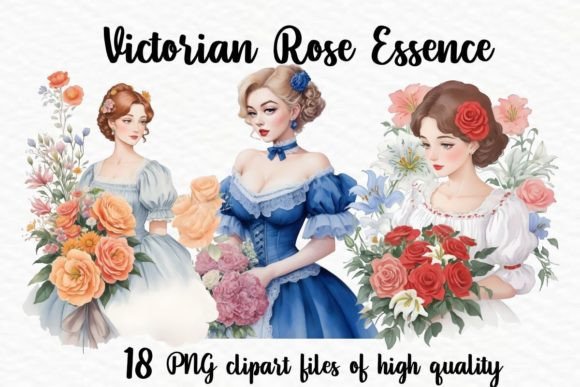
The immediate mood of Victorian Rose Essence Watercolor is undeniably nostalgic and soft. It evokes vintage botanical prints and heirloom textiles rather than modern, bold graphics. For an Etsy seller or boutique owner, this visual language signals quality and tradition. However, translating a watercolor illustration into a machine embroidery design requires careful attention to stitch density. Unlike standard fill stitch designs with solid blocks of color, this style likely utilizes varying densities or blending techniques to mimic paint washes.
In my assessment, this design feels most at home on projects where delicacy is a selling point. It does not scream for attention; instead, it invites closer inspection. This makes it an excellent candidate for personalized gifts or high-end custom apparel where the customer values artistry over loud branding. The shape and layout suggest a balanced composition that would center beautifully on a chest placement or as a focal point on home decor items. As a creative entrepreneur, you are selling a feeling as much as a finished product, and this design delivers a tangible sense of heritage craftsmanship.
Real-World Application: The Linen Tote Bag Test
To truly judge the viability of Victorian Rose Essence Watercolor, I mentally placed it in a specific production scenario: creating a premium linen tote bag for a summer wedding gift line. Tote bags are a staple for craft businesses, but they can easily look cheap if the embroidery is too dense or the stabilizer choice is wrong. Linen has a distinct fabric texture that interacts beautifully with floral themes, but it also shifts during stitching.
For this project, I envision using a cut-away stabilizer to prevent the open weave of the linen from distorting the delicate rose details. Because this is a watercolor-style illustration, the edges of the roses might use running stitch or lighter satin stitch borders rather than heavy outlines. On a tote bag, this is advantageous because it keeps the item flexible and foldable. A dense, fully filled rose would make the bag stiff and uncomfortable to carry. If you are planning a similar commercial embroidery project, consider how the design’s weight affects the utility of the final piece. Customers appreciate embroidered patches and accents that enhance the garment or accessory without compromising its function. This design appears light enough to maintain the drape of natural fibers, making it ideal for breathable fabrics used in holiday embroidery or spring collections.
Navigating Fabric Limitations and Hoop Sizes
While the aesthetic is versatile, practical execution requires caution. Not every substrate is a safe harbor for Victorian Rose Essence Watercolor. I would advise against using this design on highly textured terry cloth or thick fleece unless you have tested it extensively. The subtle gradients and fine details inherent in watercolor illustrations can get lost in deep pile fabrics, turning what should be a refined flower into an indistinct blob of thread.
Similarly, stretchy knits like jersey t-shirts demand extra preparation. The fluid nature of this design means registration is paramount. If your hoop size is too large for the design area, or if your stabilizer lacks sufficient shear strength, the petals may shift, breaking the illusion of painted continuity. For baby embroidery or lightweight muslin, you must verify the stitch count and density. Heavy coverage on thin fabric causes puckering that no amount of pressing can fix. Always check the specific dimensions of the embroidery file against your available hoops before purchasing. If you intend to scale the design down significantly for a cap or sleeve cuff, inspect the smallest elements first. Details that read clearly at 5 inches may vanish or cause thread breaks at 2 inches. In these cases, the design might need editing to remove tiny jumps or merge colors for better stitch-out integrity.
Elevating Brand Value Through Visual Clarity
For small shop products and digital product sellers, presentation is everything. Using Victorian Rose Essence Watercolor effectively can elevate your brand’s perceived value. The key lies in contrast and clarity. Watercolor styles often feature mid-tone pastels and muted hues. On white or cream fabric, these sing. On dark navy or black garments, however, they risk looking muddy unless you adjust thread colors to provide adequate pop.
I recommend testing this design in both color and grayscale mockups before listing a finished product. A printable mockup helps visualize placement, but nothing replaces a physical sample. Seeing how the thread sheen interacts with the matte fabric background tells you whether the design reads as "vintage chic" or "faded." Professionalism comes from this level of diligence. When a buyer sees crisp, intentional stitching on a sweatshirt embroidery project or a tea towel, trust is established. They recognize that the maker understands their materials. Furthermore, consistent use of cohesive illustrations like this across your catalog creates a recognizable brand identity that encourages repeat business from clients seeking that specific romantic aesthetic.
Essential Technical Notes for Makers
Before you load Victorian Rose Essence Watercolor into your machine for a client order or inventory run, adhere to these professional best practices:
- Verify Licensing: Confirm whether the license permits commercial use for finished products versus digital redistribution. Never assume rights; always check the terms included with the digital embroidery file.
- Stabilizer Selection: Match your stabilizer to the fabric weight, not just the design size. For this watercolor style, a polymesh cut-away often provides the best support without adding bulk.
- Thread Color Validation: Do not rely solely on the chart provided with the embroidery file. Compare recommended thread colors against your actual stock under natural lighting to ensure the watercolor gradient effect is achievable.
- Density Check: Open the file in your editing software to review stitch density. If it exceeds 0.4mm spacing in large areas, consider reducing density slightly for lighter fabrics to prevent stiffness.
- Test Stitch-Out: Always run a test on scrap fabric identical to your final project. Inspect the transition points between colors to ensure there are no excessive jump stitches or registration errors.
- Mockup Accuracy: Use realistic textures in your digital previews. Showing a flat vector on a plain white background misleads customers about how the handmade product will actually look.
Ultimately, Victorian Rose Essence Watercolor is a beautiful asset for the thoughtful maker. It bridges the gap between digital art and tactile craft, offering a unique selling proposition for those willing to master its nuances. Whether you are creating a personalized gift for a bride or stocking your Etsy shop with seasonal apparel, success lies in respecting the technical requirements of the medium. By treating this illustration not just as a picture, but as a blueprint for thread, you ensure that every stitch honors the original artistry while delivering a durable, sellable product.