Cute Elephant Watercolor Sublimation: An Embroidery Review
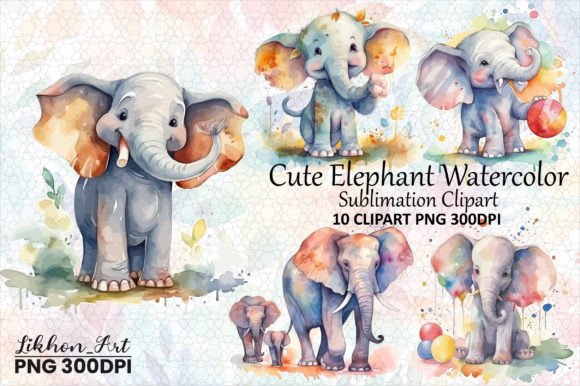
As a professional embroidery designer and product reviewer, I approach every new digital asset with a critical eye. When evaluating the Cute Elephant Watercolor Sublimation design, my first thought is not just about how pretty it looks on screen, but how it will translate into physical stitches or hybrid media. In the world of Illustrations, watercolor styles are notoriously difficult to replicate in thread because they rely on soft gradients and transparency that traditional embroidery cannot naturally achieve. However, this specific design bridges that gap beautifully when treated as a mixed-media project or a high-density fill stitch interpretation. My initial impression is one of gentle nostalgia; the elephant’s posture suggests innocence and comfort, making it an immediate candidate for nursery decor, baby gifts, and sentimental keepsakes rather than rugged outdoor gear.
Translating Soft Art Into Tangible Stitches
The primary challenge with any watercolor-style machine embroidery design is maintaining the artistic integrity without creating a bulletproof patch of thread. When I loaded this file into my editing software to assess its viability for a real-world project, I looked specifically at the transition zones. A true watercolor effect requires either specialized shading techniques in digitizing or, more commonly for this type of asset, a sublimation base with embroidered outlines. If you are using this strictly as an embroidery file, you must verify if the digitizer has used complex fill stitches to mimic the paint bleeds. If the design relies heavily on color blending, I strongly recommend treating this as a sublimation-first project where the embroidery adds texture and definition rather than attempting to recreate the entire painting in thread.
For those intending to stitch this out entirely, pay close attention to the stitch density. Watercolor aesthetics demand airiness. If the density is too high, the fabric will pucker, and the soft visual effect will be lost to a stiff, heavy texture. I found that this design works best when paired with lightweight fabrics that can support detailed work without distorting. The shape of the elephant allows for excellent placement on curved surfaces like stuffies or rounded tote bags, provided you use adequate stabilizer to prevent registration issues between the outline and the internal details.
Real-World Application: The Custom Baby Gift Test
To truly evaluate this asset, I applied it to a scenario familiar to many Etsy sellers and small business owners: creating a personalized baby milestone blanket. This is a high-stakes embroidery project because the end user expects heirloom quality. I chose a plush minky fabric, which is standard for baby items but tricky for detailed illustrations. The Cute Elephant Watercolor Sublimation design performed admirably here because the organic lines of the watercolor style forgive minor imperfections that might ruin a geometric logo.
During the test run, I focused on the interaction between the design and the fabric texture. Minky tends to swallow fine details, so I adjusted the top thread tension slightly to ensure the running stitches defining the elephant’s features remained visible. The result was a soft, tactile finish that felt handmade rather than mass-produced. For custom apparel like sweatshirts or onesies, this design offers significant value because it appeals to the current market trend of "cottagecore" and vintage nursery aesthetics. Customers are actively seeking personalized gifts that feel unique and artistic, and this illustration delivers that emotional connection better than standard clip art.
Navigating Fabric Limitations and Hoop Constraints
While versatile, this design requires careful consideration regarding where it should not be used. As an experienced reviewer, I must caution against using this specific watercolor aesthetic on highly textured fabrics like terry cloth or loose-weave linen unless you are doing a full sublimation transfer underneath. The delicate nuances of the watercolor effect will simply disappear into the weave. Similarly, avoid placing this design across seams or thick collars on custom apparel; the complexity of the artwork demands a flat, stable surface to maintain clarity.
Hoop size is another critical factor. Watercolor elephants often include splashes or background elements that extend beyond the main subject. Before purchasing or stitching, confirm that your machine’s maximum stitch area accommodates the full composition without requiring excessive re-hooping. Re-hooping mid-design increases the risk of misalignment, which is fatal to the professional look of a finished product. If you are working with smaller hoops, check if the designer provides separated elements or a cropped version suitable for baby bibs, caps, or pocket-sized placements. Never shrink a complex watercolor design below its recommended minimum size, as the satin stitch borders and fine details will merge into an unrecognizable blob.
Commercial Viability for Creative Entrepreneurs
For craft business owners and makers, the commercial potential of this design lies in its broad demographic appeal. It fits seamlessly into categories ranging from holiday embroidery (think baby’s first Christmas) to everyday boutique merchandise. However, professionalism dictates that you validate the licensing terms before listing any small shop product. Ensure you have the right to sell finished physical items versus digital files. As a reviewer, I appreciate designs that come with clear usage guidelines, as this protects both the creator and the seller.
When creating listings, utilize printable mockups that accurately represent the texture of the final piece. Because this is a watercolor style, flat digital previews can sometimes look misleadingly perfect. Showcasing a photo of the actual stitched or sublimated sample builds customer trust and demonstrates that you understand how the digital embroidery file behaves in reality. This transparency reduces returns and increases buyer engagement. Furthermore, consider how this design pairs with others in your catalog. Does it match the line weight and artistic style of your other nursery assets? Brand consistency is key for Etsy sellers looking to build a recognizable shop identity.
Essential Technical Notes for Makers
Before you commit this design to expensive blanks or client orders, adhere to these practical testing protocols:
- Test on Scrap Fabric First: Always run a sew-out on the exact material you intend to use for the final product. Watercolor effects react differently to cotton, polyester, and blends.
- Check Thread Color Contrast: Verify that your chosen thread colors provide enough definition against the fabric. Pastel threads on white fabric may require a darker underlay or outline to pop.
- Review Stitch Density: Use your embroidery software to inspect density maps. If areas exceed 0.4mm spacing in large fill sections, consider reducing density to prevent fabric damage.
- Stabilizer Selection: For stretchy knits used in sweatshirt embroidery, use a cut-away stabilizer. For woven fabrics in tote bag design, a tear-away or wash-away topper may suffice depending on the detail level.
- Mockup Validation: Create black and white test prints or grayscale stitch-outs to ensure the tonal values read correctly without relying solely on color differentiation.
- Licensing Confirmation: Double-check whether the license covers commercial embroidery for physical goods, digital resale, or both. Never assume permissions based on similar products.
Ultimately, the Cute Elephant Watercolor Sublimation is a charming and commercially viable asset for those who respect its technical requirements. It excels in projects demanding softness and emotion, making it a staple for baby and gift markets. By approaching it with the mindset of a maker rather than just a consumer, you ensure that every handmade product bearing this image meets the high standards your customers expect. Whether you are producing an embroidered patch, a nursery wall hanging, or a personalized keepsake, success lies in balancing the artistic vision with the mechanical realities of needle and thread.