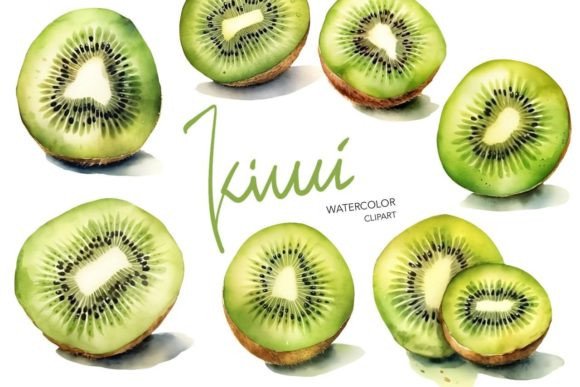
Watercolor Kiwi Clipart: Illustrations for Crafting
As a handmade business owner who has spent countless hours testing digital assets before committing them to customer orders, my first impression of this Watercolor Kiwi Clipart was one of refreshing versatility. In the world of craft illustrations, fruit motifs can sometimes lean too juvenile or overly cartoonish, but this specific graphic design asset strikes a sophisticated balance. The watercolor texture offers an organic, artisanal quality that feels premium rather than mass-produced. For Etsy shop owners and creative entrepreneurs, this mood is crucial; it suggests a product that is thoughtful, natural, and slightly elevated. It appeals to buyers looking for botanical aesthetics, summer freshness, or New Zealand-themed gifts without feeling like a generic souvenir. When I opened the files, the soft greens and vibrant flesh tones immediately sparked ideas for both seasonal summer collections and year-round stationery lines.
Real-World Applications for Cricut and Sublimation Projects
In my studio, I evaluate every illustration based on how it performs across different mediums. This Watercolor Kiwi Clipart shines brightest when used in sublimation design and printable products. Because watercolor relies on subtle gradients and soft edges, it is naturally suited for ink-based applications. I tested the PNG design on a 20oz skinny tumbler wrap, and the colors translated beautifully onto the polymer coating. The transparency was clean, allowing the white base of the tumbler to act as the highlight layer, which is essential for vibrant sublimation results. Similarly, for sticker design, the high-resolution file allowed me to create die-cut planner stickers where the delicate paint splatters remained crisp even at a two-inch size.
For Cricut project enthusiasts and Silhouette users, this asset requires a bit more strategic planning. While the visual appeal is undeniable, watercolor clipart is primarily a raster format. If you are using the included SVG design for vinyl cutting, treat it as a Print-Then-Cut element rather than a traditional cut file. I successfully used these kiwi illustrations on a tote bag by printing the design onto heat transfer vinyl and then cutting around the contour. This method preserves the painterly detail that makes the artwork special. Attempting to convert these complex watercolor textures into single-color layered vinyl would result in a loss of character and likely frustrate your weeding process. Instead, leverage the full-color capability of your machine to maintain the integrity of the original artwork.
Best Use Cases for Handmade Business Products
Through trial and error with my own small business branding, I have identified specific categories where this Watercolor Kiwi Clipart delivers the highest return on investment. These illustrations work exceptionally well for:
- Greeting Cards and Stationery: The soft aesthetic pairs perfectly with thank-you cards, wedding invitations, and baby shower suites. The kiwi motif adds a pop of color without overwhelming elegant typography.
- Kitchen and Home Decor: Mug design and tea towel projects benefit from the culinary association of the fruit. I found that placing a cluster of kiwis near the bottom hem of a flour sack towel created a charming, rustic border.
- Digital Products: For sellers of digital downloads, this clipart is ideal for creating printable wall art or digital planner assets. The resolution supports scaling up to 8x10 prints without pixelation, provided you respect the DPI limits.
- Product Packaging: Using these illustrations on hang tags, tissue paper stamps, or box labels elevates the unboxing experience. It reinforces a cohesive brand identity that feels custom and curated.
- Seasonal Craft Fair Items: Summer markets and farmers' markets are the perfect venue for kiwi-themed goods. The bright, cheerful palette attracts attention in outdoor settings where natural light enhances the watercolor effect.
Navigating Technical Limitations and Design Constraints
Honesty is vital in any crafter review, and it is important to discuss where this Watercolor Kiwi Clipart should be used with caution. As with most watercolor illustrations, fine details can become problematic at very small scales. If you are designing intricate jewelry tags or tiny cake toppers, the soft edges of the watercolor may bleed visually, making the kiwi look muddy. I recommend avoiding sizes smaller than 1.5 inches for printed items unless you test first. Additionally, low-contrast backgrounds are a risk. Placing pale green kiwi slices on a mint or cream background causes the design to disappear. Always ensure there is sufficient contrast between your substrate and the clipart.
Another consideration is composition density. These illustrations are detailed, so crowding them with heavy patterns or excessive text creates visual clutter. In my t-shirt design tests, a minimalist layout with ample negative space performed significantly better than a busy, all-over print. Customers generally prefer handmade products that feel breathable and intentional. Furthermore, if you are creating layered vinyl projects, recognize that this asset is not designed for multi-layer color separation. Stick to flat substrates or print-and-cut methods to avoid disappointment. Finally, always check how the colors render on dark versus white products; watercolors often require a white underbase to appear true-to-screen on colored tumblers or shirts.
Essential Workflow Tips for Commercial Crafting
Before listing any finished product made with this graphic design asset in your creative marketplace, run through a professional quality assurance checklist. First, verify your commercial license. Ensure the terms allow for the specific type of end product you are selling, whether it is a physical handmade item or a modified digital product. Licensing protects your business and respects the original artist. Second, always test the file before selling. Print a sample, press a test mug, or cut a prototype sticker. Colors vary wildly between monitors and printers, and what looks vibrant on screen might print dull. Calibrate your equipment and adjust saturation if necessary to match the digital preview.
Typography pairing is another critical step in integrating these illustrations into a sellable design. The organic, fluid nature of watercolor kiwis pairs best with contrasting fonts. I have found that a clean sans-serif font provides modern readability, while a delicate script font enhances the feminine, romantic vibe. Avoid overly distressed or grunge fonts, as they compete with the natural texture of the watercolor. When creating product mockups for your Etsy product listings, place the design on realistic surfaces. A flat digital image does not sell as well as a photo showing the kiwi clipart on an actual ceramic mug or textured paper. This helps customers visualize the final handmade product.
Lastly, consider the value of bundling. If you use this Watercolor Kiwi Clipart as part of a larger summer fruit collection or botanical design bundle, you increase the perceived value for your customers. Whether you are selling the finished craft or using it to enhance your own small business branding, consistency is key. Use the same color palette and illustration style across your entire shop to build recognition. By treating this clipart as a professional tool rather than just a cute picture, you transform a simple digital download into a cornerstone of a profitable, sustainable handmade business. Remember that successful crafting is equal parts artistic vision and technical diligence; taking the time to understand your assets ensures that every Cricut project, sublimation design, and printable creation meets the high standards your customers expect.