Watercolor Hummingbird Clipart in Brand Illustrations
First Impressions: Evaluating Emotional Tone for Lifestyle Brands
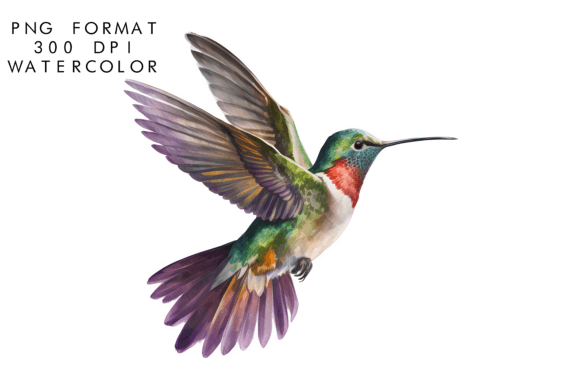
As a brand designer reviewing assets for an upcoming spring campaign, my first interaction with Watercolor Hummingbird Clipart sets the immediate tone for the entire project. When evaluating this graphic design asset, the initial impression is one of delicate movement and organic vitality. Unlike rigid vector art, the soft edges and translucent layers inherent in watercolor illustrations evoke a sense of handcrafted authenticity. For a lifestyle brand or a wellness coach launching a seasonal offer, this specific mood is invaluable. It signals to the audience that the brand values natural beauty, mindfulness, and artisanal quality.
In a real-world scenario, imagine we are refreshing the visual identity for a boutique tea company or a floral stationery business. The hummingbird serves as more than just decoration; it acts as a visual metaphor for energy, precision, and sweetness. From a content marketing perspective, this asset bridges the gap between professional polish and personal touch. It avoids the sterile look of stock photography while maintaining enough refinement to be used in commercial design. However, it is crucial to assess whether this level of whimsy aligns with your current brand identity. If your goal is to attract an audience seeking warmth and creativity, this clipart succeeds immediately. If you are positioning a tech startup or a financial service, the emotional resonance may clash with your core message.
Strategic Application Across Digital and Print Marketing Channels
When integrating Watercolor Hummingbird Clipart into a comprehensive marketing strategy, versatility is key. In my recent workflow for a product launch, I utilized similar assets across multiple touchpoints to create a cohesive narrative. For social media graphics, particularly Instagram carousels and Pinterest pins, the hummingbird acts as a directional cue, guiding the viewer’s eye toward the headline or call-to-action without overwhelming the text. The organic shape breaks up the grid-like structure of digital feeds, increasing stop-rate and engagement.
Beyond social media, this digital product excels in tangible applications. For packaging design and product labels, the watercolor texture adds a premium, tactile feel even when printed on standard matte paper. I have found that using this asset as a corner accent on thank-you cards or packaging inserts significantly enhances the unboxing experience, fostering stronger audience trust and perceived value. In editorial design for blogs or lead magnets, the illustration provides necessary white space relief, making dense content more digestible. Whether you are building a Canva template for client use or designing internal marketing visuals, the hummingbird motif supports a wide array of formats, from email banners to website hero sections, provided it is scaled correctly to maintain crispness.
Enhancing Visual Hierarchy and Audience Connection
The primary function of any design asset in a campaign is to support communication goals. Watercolor Hummingbird Clipart contributes to a clearer visual hierarchy by serving as a secondary focal point. In advertising, where attention spans are fleeting, the intricate details of the bird's feathers can capture interest long enough for the copy to do its work. This is particularly effective in digital ads targeting demographics that appreciate aesthetics and craftsmanship.
Furthermore, consistent use of this stylistic element aids in small business branding. Repetition builds recognition. When customers see the same watercolor style across your web design, newsletters, and merchandise, it reinforces brand recall. The emotional connection fostered by hand-painted styles often translates to higher conversion rates for creative entrepreneurs because it humanizes the business. It transforms a transactional interaction into a relational one, which is the cornerstone of effective content marketing.
Optimal Placement vs. Contextual Limitations
While versatile, Watercolor Hummingbird Clipart is not a universal solution. Through testing, I have identified specific environments where this asset thrives and others where it requires caution. It performs exceptionally well in:
- Hero Graphics: As a large-scale background element with reduced opacity for landing pages.
- Campaign Headers: Anchoring the top of email newsletters or blog posts to set a seasonal theme.
- Product Launch Visuals: Surrounding product photography to add context and softness.
- Branded Templates: Creating reusable assets for social media managers to maintain consistency.
- Packaging Accents: Enhancing luxury perception on boxes, bags, and tags.
Conversely, designers must exercise restraint in certain contexts. Avoid using this detailed illustration in small mobile icons or favicons, as the watercolor texture will become muddy and unrecognizable. It is also ill-suited for formal corporate branding or dense data visualization where clarity trumps emotion. In text-heavy advertisements, the busy nature of feathers can compete with readability, violating principles of accessible modern design. Always ensure the asset supports the message rather than distracting from it. If your background is already patterned or low-contrast, the hummingbird may get lost, reducing the professional impact of the piece.
Technical Validation and Brand Consistency Checks
Before committing Watercolor Hummingbird Clipart to a paid campaign or client deliverable, rigorous technical validation is non-negotiable. As part of my review process, I always perform the following checks to ensure professional branding standards are met:
- Color Palette Integration: Test the clipart against your specific brand colors. Watercolors can sometimes shift hue when placed over colored backgrounds. Use blending modes or adjustment layers to harmonize the asset with your existing scheme.
- Monochrome Viability: Check how the illustration reads in black and white. A strong SVG design or high-resolution PNG should retain its form and detail without color reliance, ensuring usability in single-color print jobs.
- Typography Pairing: Experiment with different font styles. This asset typically pairs beautifully with elegant serifs or flowing scripts but may clash with geometric sans-serifs. Find the balance that maintains legibility.
- Mobile Preview: Always view the design on a phone screen. What looks balanced on a desktop monitor may appear cluttered or too small on mobile devices.
- Licensing Verification: Confirm the commercial license terms. Ensure you have the right to use the asset in client work, digital products for resale, or paid advertising. Respecting intellectual property is fundamental to ethical creative marketplace participation.
Additionally, consider the file format. While a PNG design offers transparency and ease of use for quick layouts, having access to layered files or vectors allows for greater customization in design bundles. Spacing and balance are critical; give the hummingbird room to breathe. Negative space is just as important as the illustration itself in achieving a polished, high-end look.
Final Assessment for Creative Entrepreneurs
Ultimately, Watercolor Hummingbird Clipart represents a powerful tool for brands aiming to soften their digital presence and connect emotionally with their audience. It is best suited for creative entrepreneurs, coaches, and product creators who want to infuse their marketing visuals with artistry and life. By understanding its emotional weight, applying it strategically across channels, and validating its technical performance, you can elevate your brand identity from generic to memorable. Remember that successful professional branding is not just about pretty pictures; it is about intentional choices that drive business results. When used with purpose, this asset does far more than decorate—it communicates.