Watercolor Burger Clipart Bundle: Illustrations Review
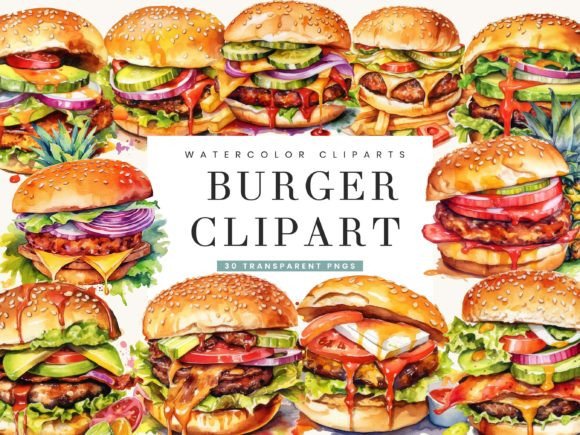
As a brand designer specializing in local food businesses, my first interaction with the Watercolor Burger Clipart Bundle was an assessment of texture and authenticity. In the realm of commercial design for artisanal eateries, generic vector art often fails to convey the warmth of a handmade product. This specific graphic design asset immediately struck me as having a distinctively organic, rustic charm that avoids the sterile look of mass-produced fast food imagery. The brushwork suggests movement and freshness, creating a mood that is approachable, appetizing, and distinctly human. For a small business branding project I recently undertook for a farm-to-table burger joint, these illustrations provided the exact visual tone needed to bridge the gap between gourmet quality and neighborhood friendliness. It feels premium yet unpretentious, making it ideal for brands that want to emphasize fresh ingredients and culinary care over industrial efficiency.
Elevating Packaging Design and Product Labels
In practical application, this bundle proved invaluable for packaging design where shelf appeal is paramount. When designing a product label for a signature sauce or a branded takeout box, the watercolor style adds a layer of tactile sophistication that flat graphics cannot achieve. I utilized elements from the Watercolor Burger Clipart Bundle as secondary visual anchors on hang tags and sticker seals. The soft edges of the illustration allow it to sit comfortably beside typography without competing for attention, establishing a clear visual hierarchy. For local business owners selling pre-packaged goods or meal kits, this asset transforms standard kraft paper or white cardstock into a canvas that communicates value. It supports professional branding by making even simple printable design materials feel bespoke and intentionally crafted.
Strengthening Brand Identity Across Touchpoints
A cohesive brand identity requires assets that translate well across various mediums, from physical menus to digital platforms. During my evaluation, I tested these illustrations within a comprehensive brand system. While not suitable as a primary logo design due to their illustrative complexity, they function perfectly as supporting brand elements. They add personality to business cards, thank-you cards, and menu headers, reinforcing the brand’s narrative of freshness and quality. For social media managers and creative entrepreneurs, these visuals are gold for Instagram stories and promotional ads. They provide a consistent aesthetic thread that ties together disparate marketing visuals, ensuring that a post about a daily special feels visually related to the physical packaging the customer receives. This consistency builds customer trust and improves product recognition in a crowded local market.
Strategic Applications for Food Marketing Visuals
The versatility of this clipart extends beyond static print materials into dynamic editorial design and web design contexts. When creating a website banner for a seasonal campaign, the watercolor burger illustrations added necessary color and life to an otherwise text-heavy layout. I found them particularly effective for hero graphics on landing pages promoting summer BBQ specials or new menu launches. For boutique food sellers or handmade business owners participating in farmers' markets, using these assets on signage and price lists creates an inviting atmosphere that encourages engagement. The style naturally complements other organic design elements like linen textures, handwritten fonts, and earthy color palettes. In product mockup presentations for investor decks or vendor applications, these illustrations help stakeholders visualize the final brand experience more effectively than wireframes alone.
Navigating Limitations and Contextual Fit
Despite its strengths, a professional designer must know where a graphic design asset does not belong. The Watercolor Burger Clipart Bundle should be used with extreme caution in formal corporate branding or luxury minimalist contexts where clean lines and negative space define the aesthetic. The inherent "messiness" of watercolor can clash with rigid grid systems or high-tech food delivery app interfaces. Furthermore, when designing ingredient-heavy layouts or areas requiring legal compliance text, these illustrations can reduce readability if placed too close to critical information. I advise against using them on very small labels where the intricate brush details will muddy when printed at low resolution. Always ensure there is sufficient contrast between the artwork and the background; watercolors can sometimes disappear against mid-tone colors, weakening the visual impact essential for effective commercial design.
Technical Evaluation for Print and Digital Production
Before committing this digital product to a real-world client project, rigorous technical testing is non-negotiable. My review process included printing the PNG design files at various sizes to check for edge artifacts and transparency issues. High-resolution output is vital for packaging design; pixelation on a product label destroys perceived value instantly. I also verified how the illustrations interacted with different typefaces. Pairing them with a bold sans serif font created a modern, trendy contrast, while combining them with a delicate script font leaned heavily into a vintage, nostalgic vibe. For designers working in Canva template environments, confirming that the transparent backgrounds are truly clean prevents awkward white boxes from appearing on colored backgrounds. Additionally, always inspect the file organization; a well-structured bundle saves hours during the creative rush of a product launch.
Licensing and Commercial Viability Checks
For any small business branding project, understanding the commercial license is as important as the aesthetic fit. Before using the Watercolor Burger Clipart Bundle for client work or physical product sales, verify the specific terms regarding modification, redistribution, and end-product limits. Some creative marketplace licenses restrict the use of standalone illustrations on merchandise intended for resale, while others permit unlimited commercial design usage. As a brand partner, I always confirm that the asset allows for trademarking if the client intends to incorporate it into a registered logo design, though this is rarely advisable for stock clipart. Ensuring compliance protects the local business from future legal headaches and maintains the integrity of their professional branding. This due diligence is what separates amateur decoration from strategic, sustainable brand development.
Final Verdict for Local Food Entrepreneurs
Ultimately, the Watercolor Burger Clipart Bundle serves as a powerful tool for specific types of food businesses. It excels in environments where emotion, appetite appeal, and artisanal quality drive purchasing decisions. For the bakery adding savory options, the food truck seeking a softer aesthetic, or the meal prep service wanting to feel less clinical, these illustrations offer a cost-effective way to elevate visual communication. However, success lies in restraint and context. Use it to enhance, not overwhelm. Test it rigorously in your specific application, whether that is a greasy takeout bag or a pristine website header. When applied with intention, this graphic design asset bridges the gap between digital convenience and the tangible, delicious reality of local food culture, helping small brands compete with larger chains through superior storytelling and visual warmth.