Victorian Flowers Watercolor Clipart: Editorial Illustrations
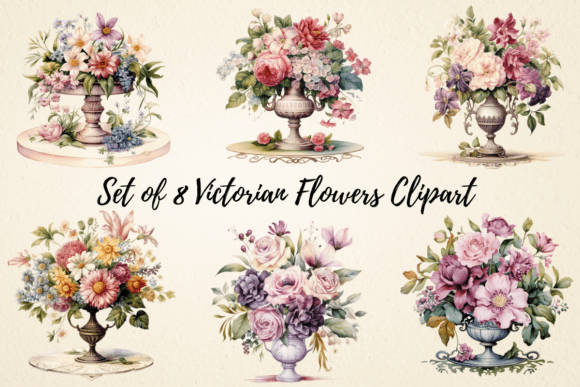
As a digital publisher and blog designer, my first interaction with any new graphic design asset is always critical. I am not just looking for pretty pictures; I am evaluating visual communication tools that must perform across multiple platforms. When I first opened the Victorian Flowers Watercolor Clipart collection, the immediate impression was one of refined nostalgia mixed with modern editorial utility. Unlike generic floral vectors that often feel flat or overly cartoonish, these illustrations possess a textured, hand-painted quality that signals craftsmanship to the reader. This specific aesthetic creates an instant mood of heritage, botanical education, and feminine elegance. For content creators in niches like gardening, historical fiction, wedding planning, natural skincare, or literary blogging, this asset does more than decorate a page; it establishes immediate authority and tonal alignment before a single word is read.
Elevating Editorial Design and Reader Trust
In the current landscape of content marketing, reader trust is often tied to perceived production value. Low-quality visuals suggest low-quality information. The Victorian Flowers Watercolor Clipart serves as a powerful anchor for brand identity because it bridges the gap between vintage charm and modern design sensibilities. When I integrate these illustrations into a website header or a featured image, they soften the rigid grid of web design while maintaining professional polish. This is particularly vital for affiliate marketing sites where the goal is to recommend products without appearing aggressive. The soft, organic lines of watercolor flowers create a welcoming, non-commercial atmosphere that encourages longer dwell times. Furthermore, consistent use of this specific art style across blog graphics helps build a cohesive visual language. Readers begin to associate this distinct illustrative voice with your specific publication, strengthening recall and loyalty in a crowded creative marketplace.
Strategic Applications Across Digital Publishing Workflows
A versatile digital download must earn its place in a publisher’s workflow by solving multiple layout problems. I have tested this clipart collection across various real-world publishing scenarios, and its utility extends far beyond simple decoration. For Pinterest pin creation, these florals provide excellent negative space management. The intricate details of the Victorian blooms draw the eye, while the transparent backgrounds allow for seamless integration over solid colors or subtle textures, ensuring headline text remains legible. In email marketing, using these illustrations as newsletter headers or dividers breaks up dense text blocks, improving readability and click-through rates. For those creating lead magnets or digital guides, such as printable planners or herbal remedy eBooks, this asset adds significant perceived value. A cover featuring high-resolution Victorian botany looks inherently more expensive and trustworthy than one using stock photography, directly impacting conversion rates for paid digital products.
- Blog Featured Images: Pairing a central flower cluster with bold serif typography creates a classic magazine-style thumbnail that stands out in RSS feeds and social shares.
- Printable Design: Using corner elements on worksheets or journal pages frames content beautifully without interfering with writing spaces.
- Social Media Graphics: Instagram carousel slides benefit from these illustrations as recurring background motifs that reinforce brand recognition.
- Category Thumbnails: Assigning specific flower varieties to different blog categories aids navigation through visual cues rather than just text labels.
- Canva Template Creation: These assets are ideal for building reusable templates for small business branding, allowing for quick yet customized content production.
Optimizing Visual Hierarchy and Content Performance
Effective web design relies heavily on visual hierarchy, and the Victorian Flowers Watercolor Clipart excels at guiding user attention without overwhelming the content. Because watercolor naturally fades at the edges, these illustrations function as organic directional cues. I often place a stem pointing toward a call-to-action button or use a floral border to frame a testimonial section. This subtle guidance improves user experience and supports commercial goals. Additionally, these illustrations perform exceptionally well in seasonal content strategies. While distinctly Victorian, the botanical nature makes them adaptable for spring gardening posts, autumn harvest guides, or winter holiday gift lists, depending on color grading and pairing. This versatility maximizes the return on investment for the asset. From an SEO perspective, unique custom graphics reduce bounce rates compared to generic stock photos, signaling to search engines that the content offers a distinct user experience.
Publisher Notes: Technical Implementation and Licensing
Before deploying any creative design asset on a live site, rigorous testing is non-negotiable. Based on my workflow with this collection, I recommend several practical checks to ensure optimal performance. First, always test contrast against your specific website background. Watercolor transparency can sometimes disappear on light gray or off-white themes; adding a subtle drop shadow or darkening the underlying layer may be necessary for visibility. Second, verify file sizes. High-resolution PNGs are essential for printables but detrimental to web speed. Always compress web versions to under 200KB without sacrificing visible detail. Third, consider typography pairings. These illustrations harmonize best with traditional serif fonts or elegant scripts for headings, while clean sans-serif body text ensures modern readability. Avoid pairing them with overly distressed or grunge fonts, which can clash with the delicate brushwork.
Crucially, publishers must understand the commercial license terms before monetization. If you plan to use these illustrations in a digital product for sale, such as a Canva template kit or a published book, confirm that the license permits commercial distribution versus personal use only. Proper attribution may also be required depending on the source. Finally, test mobile responsiveness. Intricate Victorian details can become muddy on small screens. Ensure the clipart scales down gracefully or consider using simplified variations for mobile views. By treating Victorian Flowers Watercolor Clipart as a strategic component of your editorial system rather than mere decoration, you transform a simple illustration pack into a cornerstone of professional, high-converting content publishing.