Jasmine Flower Watercolor Illustrations for Digital Products
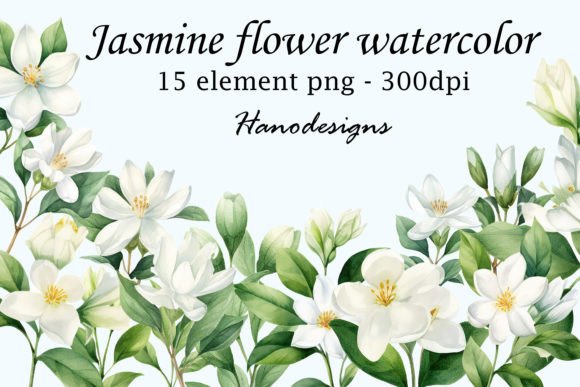
As a digital product creator constantly scouting for versatile assets, my first impression of the Jasmine Flower Watercolor collection was one of refined elegance mixed with commercial viability. In the saturated market of botanical illustrations, it is easy to find generic floral clipart, but finding a graphic design asset that balances artistic integrity with practical application is rare. This specific set captures a soft, romantic mood that feels distinctly premium rather than mass-produced. The visual personality leans towards feminine and organic, making it immediately attractive to buyers in the wedding, nursery, and self-care niches. For an Etsy seller or print-on-demand entrepreneur, this aesthetic signals a higher perceived value, which is crucial when trying to stand out in a crowded creative marketplace.
Evaluating Commercial Viability for Print and Digital
Before adding any illustration to my shop, I run it through a mental checklist of potential revenue streams. The Jasmine Flower Watercolor asset excels because of its adaptability across both physical merchandise and digital downloads. For print-on-demand sellers, the delicate nature of jasmine lends itself beautifully to sublimation design projects. I can easily visualize these flowers as a repeating pattern on tumbler wraps or as a singular, elegant focal point on ceramic mug designs. The watercolor texture adds a handmade quality that customers often seek in personalized gifts, distinguishing the final product from sharp, vector-based corporate graphics.
For those focused on digital products, this asset serves as a foundational element for Canva template creation. Wedding invitation templates, bridal shower itineraries, and social media graphics for florists all require this specific type of soft botanical imagery. As a printable design resource, the high-resolution nature of the files ensures that whether a customer is printing a 5x7 greeting card or an A4 wall art piece, the ink bleed and paper texture interactions remain authentic. I also see strong potential for planner sticker designs. When scaled down, the individual blooms retain their shape without becoming muddy, which is a common failure point with lesser-quality watercolor scans.
Testing the Asset Across Product Categories
In my shop workflow, I never list a new design bundle without testing it in a real-world scenario. With Jasmine Flower Watercolor, I conducted three specific tests to validate its selling power:
- The Thumbnail Test: I placed the primary jasmine illustration against a muted sage background to simulate an Etsy listing photo. The contrast was sufficient to stop the scroll, proving the asset has strong thumbnail appeal even at small sizes.
- The Cut File Stress Test: For Cricut project compatibility, I converted a high-contrast version to SVG. While watercolor is inherently difficult to cut, the distinct petal separation in this illustration allowed for manageable cut lines, making it suitable for layered paper crafts or vinyl decals on glass.
- The Mockup Integration: I applied the PNG design to a tote bag mockup and a nursery frame mockup. The transparency was clean, with no white halos, ensuring the product presentation looked professional and trustworthy to potential buyers.
These tests confirmed that the asset is not just visually pleasing but functionally robust for small business branding and merchandise creation.
Strategic Presentation and Visual Hierarchy
How you present a graphic design asset is just as important as the asset itself. When building a product listing around Jasmine Flower Watercolor, visual hierarchy plays a massive role in conversion. I recommend using the largest, most detailed bloom as your hero image. This establishes the "premium" feel immediately. Secondary images should show the asset in context—perhaps as part of a seamless digital paper pack or integrated into a brand identity kit for a skincare line.
For creative entrepreneurs selling templates, showing the jasmine paired with appropriate typography is essential. This illustration demands pairing with elegant serif fonts for a classic look or flowing script fonts for a romantic vibe. Avoid heavy, blocky display fonts unless you are aiming for a very specific modern-contrast aesthetic. By demonstrating these pairings in your listing images, you reduce friction for the buyer; they can instantly see how the commercial design fits into their own projects. Furthermore, including a zoomed-in detail shot helps build customer trust by showcasing the brushwork texture and resolution quality, validating the price point of your digital download.
Where to Exercise Caution in Design Application
While versatile, Jasmine Flower Watercolor is not a universal solution for every product type. Through experience, I have identified specific scenarios where this asset requires careful handling. First, avoid using this for tiny sticker details under one inch. Watercolor edges are soft by definition, and when printed at miniature scales, the definition can be lost, resulting in a blurry appearance that disappoints customers expecting crisp lines.
Additionally, be wary of placing these illustrations on dark backgrounds without proper adjustment. Watercolor pigments are translucent; they rely on white space to glow. On a black t-shirt design or dark packaging design, the colors may disappear or look muddy unless you add a white underbase or glow effect during the editing process. Similarly, for complex Cricut projects involving intricate internal cuts, this asset may be too painterly. It works best for silhouette cuts or print-then-cut stickers rather than detailed vinyl layering. Always verify the complexity of the cut lines before marketing it as a dedicated SVG design for cutting machines.
Essential Seller Notes for Licensing and Quality
Before hitting publish on any marketplace, diligent preparation is non-negotiable. Start by verifying the commercial license associated with the Jasmine Flower Watercolor. Ensure you have the rights to sell end products, especially if you plan to use it in print-on-demand fulfillment where the design is the primary value of the item. Next, organize your files logically. If selling a bundle, separate the PNG clipart from the digital papers and SVG files. Clear file organization reduces customer support inquiries and improves reviews.
Always perform a test print. Screen colors differ significantly from CMYK output. I printed a sample of the jasmine on both matte and glossy paper to check color fidelity. The greens remained vibrant, and the whites stayed true, which is a good sign for printable wall art sellers. Finally, consider creating a "usage guide" PDF to include with your download. Offer tips on which paper types work best, suggest complementary color palettes, and link to your other matching design assets. This adds immense value to the purchase and encourages repeat business from fellow designers and crafters who appreciate professional guidance.
Ultimately, Jasmine Flower Watercolor represents a solid investment for digital sellers looking to expand their botanical inventory. It bridges the gap between artistic expression and commercial utility, serving everyone from the hobbyist scrapbooker to the professional stationery designer. By approaching this asset with a strategic mindset—testing its limits, optimizing its presentation, and respecting its technical constraints—you can transform a simple floral illustration into a cornerstone of a profitable online product collection. Whether you are designing for Etsy, Shopify, or your own website, the timeless appeal of jasmine ensures this asset will remain relevant across seasons and trends.