Dahlia Flower Watercolor Sublimation PNG Review
As a designer who bridges the gap between digital art and tactile embroidery, I approach every new asset with a specific question: will this translate beautifully into thread, or is it destined to remain a flat image? When evaluating the Dahlia Flower Watercolor Sublimation PNG, my perspective shifts from simple aesthetic appreciation to technical feasibility. This file sits in the Illustrations category, but for makers and small business owners, its true value lies in its versatility as a mixed-media foundation. While marketed for sublimation, experienced embroiderers know that high-quality watercolor assets are often the secret weapon behind stunning hybrid projects and realistic stitch-outs.
First Impressions and Artistic Mood
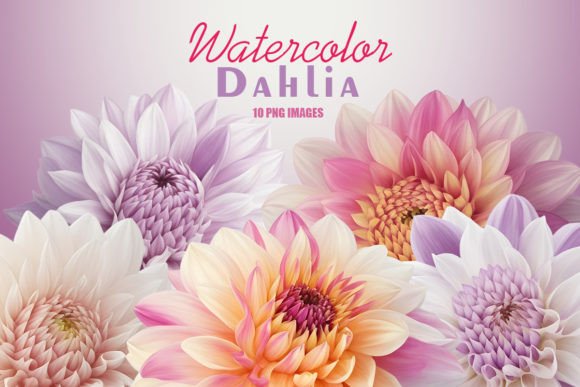
The immediate visual impact of this Dahlia Flower Watercolor Sublimation PNG is soft yet structurally defined. Unlike rigid vector art, the watercolor edges offer a natural gradient that mimics the organic flow of real petals. For an embroidery project, this is crucial. Hard lines can sometimes make floral designs look stiff or cartoonish, but the blended tones here suggest depth and movement. The mood is romantic and vintage-inspired, making it naturally suited for personalized gifts, nursery decor, and boutique apparel. As I reviewed the layout, I noted that the dahlia’s complex petal structure provides ample opportunity for texture variation, which is essential when translating digital illustrations into a handmade product.
Real-World Application: The Custom Tote Bag Test
To truly judge this design, I mentally placed it on a canvas tote bag intended for a spring craft fair collection. Canvas is textured and absorbent, often challenging for fine detail. In this scenario, the Dahlia Flower Watercolor Sublimation PNG serves two distinct purposes depending on your production method. If using it strictly as a machine embroidery design reference, the color gradients act as a perfect guide for thread blending. You can map the darker watercolor pools to satin stitch areas for definition and use lighter washes for fill stitch backgrounds.
Alternatively, for those running a hybrid craft business, this file shines as a sublimation base topped with embroidered accents. Imagine printing the full-color dahlia onto a poly-coated tote or polyester fabric panel, then adding a running stitch outline or a monogram in white thread over the center. This technique reduces stitch density significantly while maintaining high visual impact. Customers perceive the item as premium because of the tactile thread, but the production time remains manageable for Etsy sellers handling volume orders. The design’s scale feels appropriate for a 5x7 hoop size or larger, allowing the watercolor nuances to remain visible even after stitching.
Navigating Fabric Choices and Technical Constraints
While the artistic quality is high, practical application requires caution. Watercolor aesthetics rely on subtlety, which can be lost on the wrong substrate. Here is where you must exercise professional judgment:
- Dark Fabrics: Traditional watercolor transparency does not translate well to black or navy garments unless you are using white ink sublimation or a white underlay base for embroidery. On dark cotton, the delicate pastel notes of this Dahlia Flower Watercolor Sublimation PNG may disappear. Reserve this design for light-colored linens, creams, and whites.
- Stretchy Materials: If applying this to sweatshirt embroidery or baby clothes, stabilization is non-negotiable. The intricate nature of dahlia petals means any puckering will distort the floral shape. Use a cut-away stabilizer for knits to maintain the integrity of the illustration.
- Small Hoop Sizes: Avoid shrinking this design below 4 inches. Watercolor details blur at miniature scales. If you need a smaller motif for a cap or sleeve cuff, consider extracting a single petal cluster rather than compressing the entire flower, which would result in muddy stitch definition.
- Textured Surfaces: On terry cloth towels or fleece blankets, the fine details of the watercolor wash can get swallowed by the pile. Always test on scrap fabric first. You may need to increase stitch density or add a topping stabilizer to ensure the design sits above the fabric texture.
Enhancing Product Value and Customer Perception
In the competitive landscape of commercial embroidery and digital product sales, presentation dictates price point. Using the Dahlia Flower Watercolor Sublimation PNG elevates perceived value because it avoids the generic "clip-art" look common in entry-level embroidery files. When customers see soft shading and artistic intent, they associate the finished product with skilled craftsmanship rather than automated manufacturing.
For Etsy sellers creating printable mockups, this file is invaluable. You can create realistic digital previews showing how the dahlia looks on various blanks before ever threading a needle. This builds buyer confidence and reduces return rates. Furthermore, if you sell design assets or offer custom branding, the cohesive color palette of this illustration allows for easy expansion into matching sets—think tea towels, aprons, and pillow covers that share a unified botanical theme without looking repetitive.
Professional Designer Notes for Execution
Before committing this Dahlia Flower Watercolor Sublimation PNG to a final product or listing, run through this practical checklist to ensure professional results:
- Verify Licensing: Confirm whether your purchase includes rights for commercial embroidery, digital resale, or both. Never assume; always check the specific license terms attached to the file.
- Thread Color Matching: Do not rely solely on screen colors. Pull physical thread samples against a printed proof of the design. Watercolor transitions often require three to four shades of the same hue to replicate effectively in satin stitch or long-and-short stitch.
- Stitch Density Check: If digitizing from this PNG, avoid excessive overlap. Watercolor implies airiness; dense packing creates a bulletproof patch effect that contradicts the art style. Aim for medium density with directional stitching that follows the petal veins.
- Mockup Testing: Create black and white versions of your proposed stitch-out. If the design loses readability without color, your contrast values are too low. Adjust your digitizing parameters to ensure structural clarity independent of color.
- Wash Durability: For items like kitchen towels or baby bibs that face frequent laundering, ensure your digitization accounts for shrinkage. Watercolor edges should have slightly softened boundaries in the stitch file to prevent harsh outlines from separating after washing.
Final Verdict for Makers and Sellers
The Dahlia Flower Watercolor Sublimation PNG is more than just a pretty picture; it is a functional blueprint for sophisticated textile art. Whether you are digitizing it into a standalone machine embroidery design, using it as a background for applique design work, or leveraging it for hybrid sublimation-embroidery products, it offers a level of refinement that attracts discerning buyers. Its success in your shop depends entirely on respecting the medium—choosing the right stabilizer, honoring the color gradients, and avoiding overcrowding.
For the creative entrepreneur, this asset represents an opportunity to move beyond basic logos and text. It invites you to explore texture, color theory, and mixed media techniques that define modern handmade businesses. By treating this illustration as a collaborative partner in your design process rather than just a source file, you transform a digital download into a tangible, sellable masterpiece that resonates with customers seeking authentic, artistically driven goods.